Posted on Leave a comment

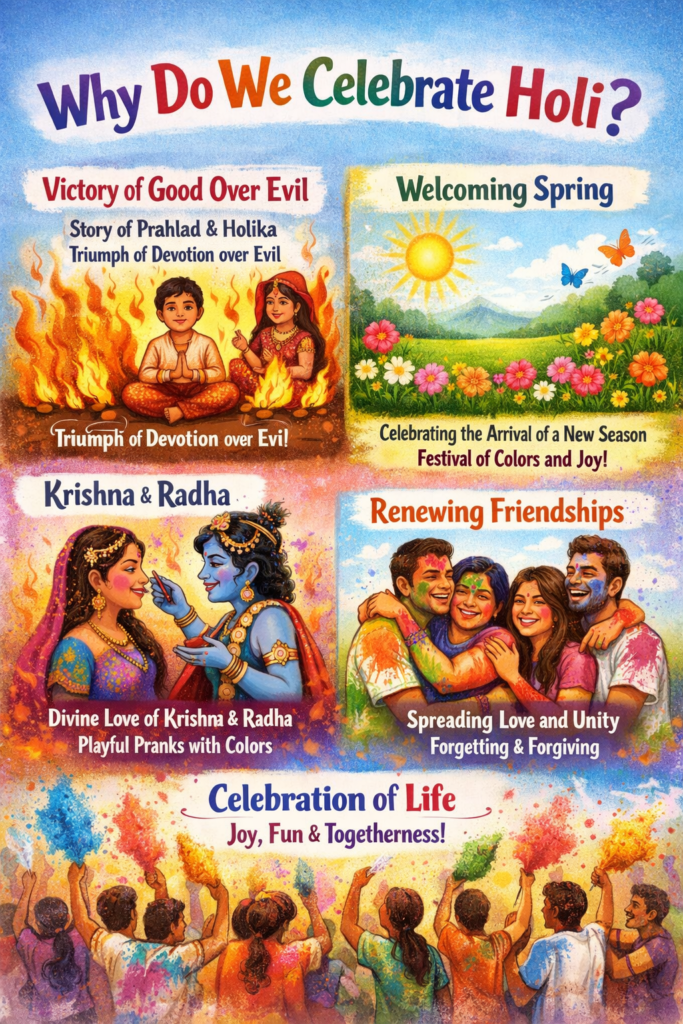
Why do Celebrate Holi?

Here’s why Holi is important:

  1. Victory of good over evil
    Holi is linked to the story of Prahlad and Holika. Prahlad’s devotion to God saved him, while evil Holika was destroyed. This teaches us that truth and goodness always win.

  2. Celebration of love and devotion
    Holi also celebrates the playful love of Radha and Lord Krishna, especially in Vrindavan and Mathura.

  3. Welcoming spring
    Holi marks the end of winter and the arrival of spring, a season of new life, happiness, and harvest.

  4. Festival of colors and unity
    On Holi, people forget differences of caste, age, and status. Everyone plays with colors, sings, dances, and shares sweets, spreading friendship and joy.

In short:
Holi is celebrated to spread happiness, love, unity, and positivity 🌸🎨

Posted on Leave a comment

Best Time to Visit in Jaipur

The best time to visit Jaipur (Rajasthan, India) largely depends on the weather and what you want to do — but overall:

🌤️ Best Season to Visit

🟢 October to March (Peak season)
✔️ Cool and pleasant weather (great for sightseeing)
✔️ Ideal for exploring forts, palaces, markets, and outdoor attractions
✔️ Many festivals and cultural events (Jaipur Literature Festival in Jan, Kite Festival, Elephant Festival around Holi)
👉 This period is generally considered the best time to visit Jaipur overall.

Weather highlights:

  • October–November: Warm days and cool nights — very comfortable.

  • December–January: Chilly mornings and evenings (can drop below ~10°C), but sunny and great for tourism.

  • February–March: Pleasant weather with rising daytime temperatures — excellent for sightseeing.

    July to September (Monsoon)

    ✔️ Rain brings greenery to the otherwise dry landscape.
    ✔️ Fewer tourists and lower hotel rates.
    ⚠️ Showers can interrupt sightseeing plans and some outdoor activities.

    ☀️ April to June (Summer)

    ❌ Very hot and dry — daytime temperatures can reach very high (often >40°C).
    ✔️ Good deals on hotels and fewer crowds early in the season.
    👉 Best avoided unless you can handle intense heat and schedule travel early mornings/late evenings.

Posted on Leave a comment

Why ASHOKA has accepted Buddha dharma?

सम्राट अशोक ने कलिंग युद्ध के बाद हुए अपने आंतरिक परिवर्तन के कारण बुद्ध धर्म को स्वीकार किया।

1. कलिंग युद्ध और पश्चाताप

कलिंग युद्ध (लगभग 261 ईसा पूर्व) अत्यंत विनाशकारी था।

  • लगभग 1 लाख लोग मारे गए
  • लाखों लोग घायल हुए और बेघर हो गए

इस युद्ध की भयावहता देखकर अशोक को गहरा दुख और पश्चाताप हुआ। अपने शिलालेखों में अशोक ने स्वयं लिखा है कि युद्ध के बाद उन्हें अनुताप हुआ। यही घटना उनके जीवन का निर्णायक मोड़ बनी

2. शांति और सत्य की खोज

अशोक को यह एहसास हुआ कि युद्ध और हिंसा से केवल दुःख मिलता है, सच्ची विजय नहीं।
वे ऐसे मार्ग की खोज करने लगे जो:

  • शांति
  • करुणा
  • अहिंसा

को बढ़ावा दे। बुद्ध के उपदेशों में उन्हें यह मार्ग मिला।

3. बौद्ध भिक्षुओं और शिक्षाओं का प्रभाव

अशोक बौद्ध भिक्षुओं के संपर्क में आए और बुद्ध की शिक्षाओं से प्रभावित हुए।
उन्हें बौद्ध धर्म की ये बातें पसंद आईं:

  • इसकी सरलता
  • कर्म और नैतिक जीवन पर ज़ोर
  • भूमि जीतने की बजाय हृदय जीतने की भावना

उन्होंने “धम्म विजय” (धर्म द्वारा विजय) को अपनाया।

4. शासन और व्यक्तिगत जीवन पर प्रभाव

बुद्ध धर्म ने अशोक को एक आदर्श शासक बनने में मदद की:

  • न्याय और सहिष्णुता को बढ़ावा
  • अस्पताल, सड़कें और धर्मशालाएँ बनवाना
  • सभी धर्मों के प्रति सम्मान

बुद्ध धर्म ने उन्हें शासन के लिए एक नैतिक आधार दिया।

5. बौद्ध धर्म का प्रचार

बुद्ध धर्म अपनाने के बाद अशोक ने:

  • श्रीलंका, मध्य एशिया और दक्षिण-पूर्व एशिया में धर्म प्रचारक भेजे
  • स्तूप और अशोक स्तंभ बनवाए
  • शिलालेखों द्वारा नैतिक उपदेश दिए

निष्कर्ष

कलिंग युद्ध की भयानकता ने अशोक के हृदय को बदल दिया। बुद्ध धर्म ने उन्हें एक हिंसक विजेता से दयालु और महान शासक बना दिया।

अगर चाहो तो मैं इसे परीक्षा के लिए छोटा उत्तर, अति सरल भाषा, या बिंदुओं में भी लिख सकता हूँ 😊